Best Taiwanese Oolong for Beginners: First Steps
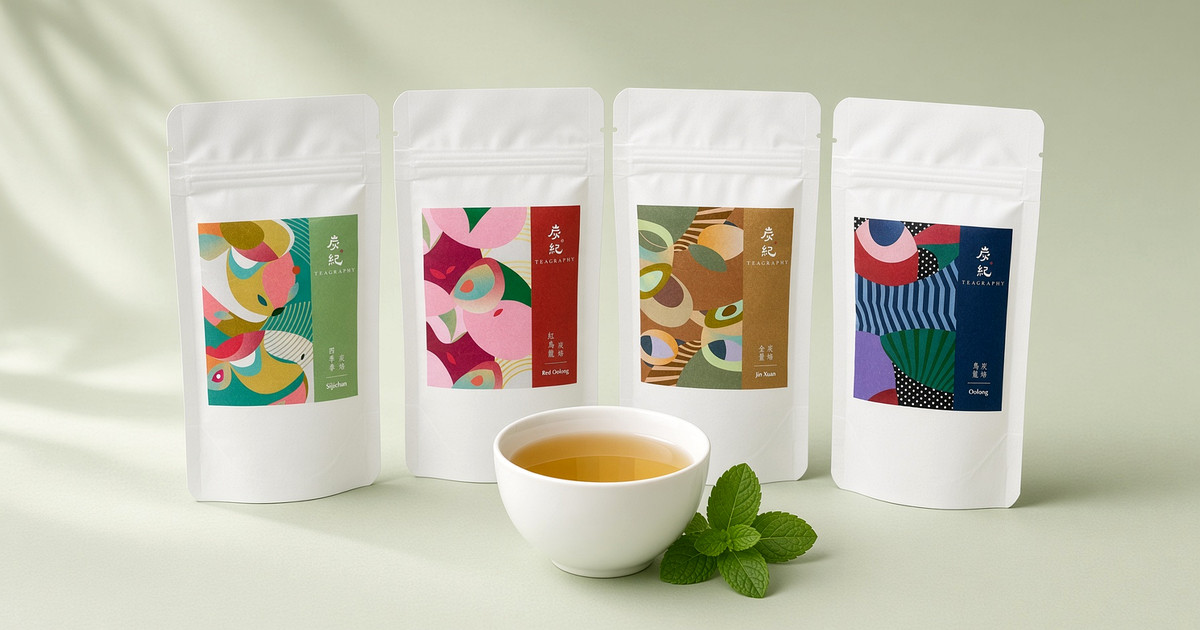
- The easiest way to start with Taiwanese oolong is to taste four clear styles side by side: floral, milky, fruity and roasted.
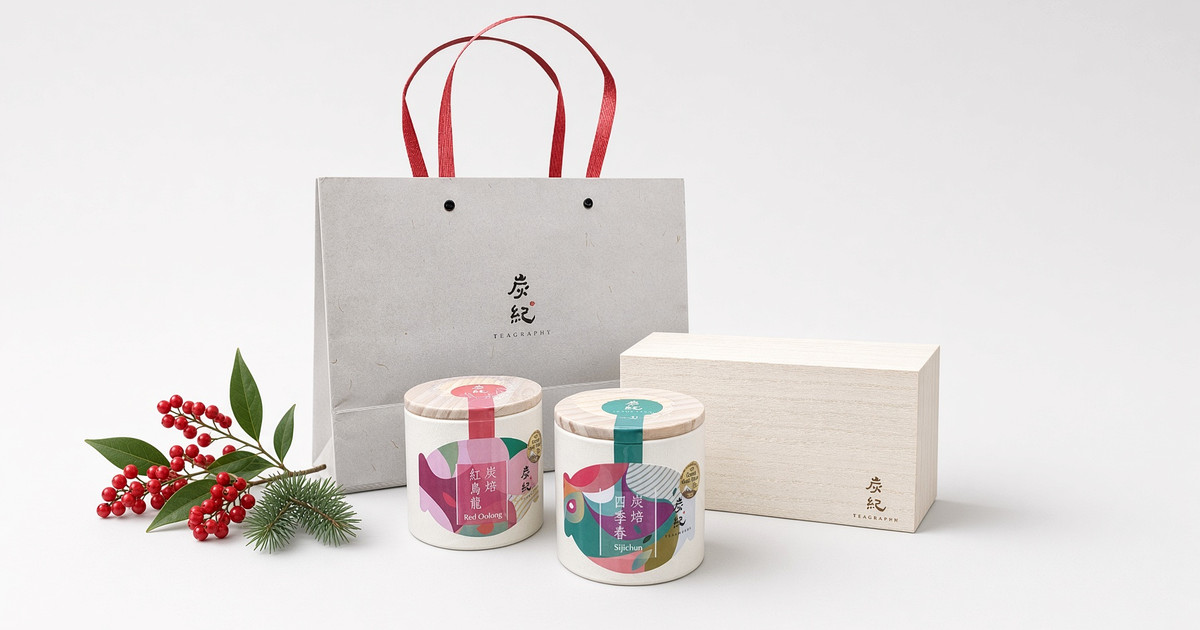
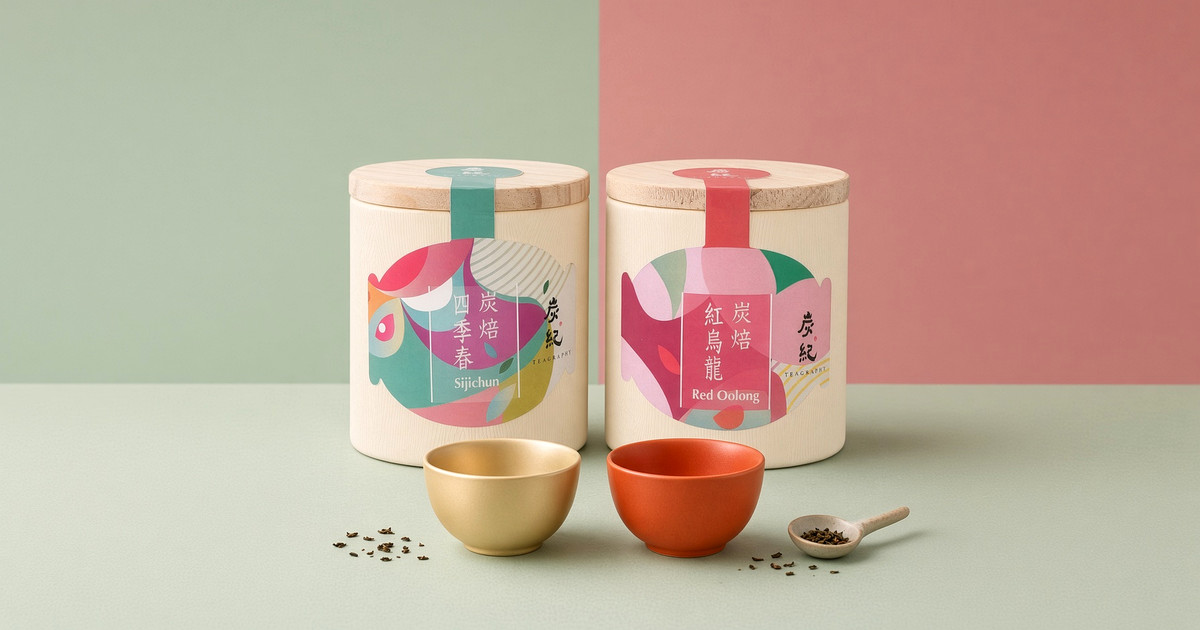
- TEAGRAPHY's Four Seasons Tea Gathering covers all four: Si Ji Chun (gardenia), Jin Xuan (milky sweetness), Red Oolong (black-tea fragrance with oolong sweetness) and Oolong (rich roast).
- Beginners can start with 3 g tea bags, five per pouch, then move to 50 g loose-leaf cans once a favourite emerges.
- For loose leaf, use water at 95-100°C; a small pot takes about 5 g of leaf to 75-85 ml, steeped for roughly 60 seconds.
- All four teas are roasted by hand over longan wood charcoal in Nantou, Taiwan, and the product pages list their SGS pesticide-residue testing.
The best Taiwanese oolong for a beginner is the one that shows you a clear flavour style, and the fastest way to find it is to taste four styles side by side: floral, milky, fruity and roasted. Start small, compare, then buy more of the cup you actually enjoy.
Many people give up on oolong because their first cup was stewed, bitter or simply confusing. The name covers a huge range, from nearly green to almost black. This guide explains what to look for, which four teas make a good starter set and how to brew them without fuss.
Why is choosing a first oolong so confusing?
Oolong sits between green and black tea, so two teas with the same label can taste completely different. Shop listings rarely help: they use cultivar names, mountain names and roast terms that mean little until you have tasted them.
- Too many variables: cultivar, oxidation, roast and growing area all change the cup.
- Big formats: committing to 100 g of an unknown tea is a risk.
- Brewing mistakes: water that is too cool or a cramped infuser can make a good tea taste flat.
The fix is to reduce the variables. Keep the maker, the roasting method and the brewing method the same, and change only the tea.
What makes a good starter oolong?
A clear, readable flavour
A beginner's tea should announce itself. A floral oolong should smell floral; a roasted oolong should taste roasted. Subtle, ultra-rare teas are better saved for later, when you have something to compare them with.
Gentle bitterness
Charcoal roasting helps here. TEAGRAPHY's craft page describes charcoal-roasted tea as giving a brighter, cleaner liquor, with the aroma opening in layers after you drink rather than all at once. That makes it forgiving for new drinkers.
Honest information
Look for the growing area, the roasting method and testing information on the product page. TEAGRAPHY's Four Seasons pages name Nantou, Taiwan, hand roasting over longan charcoal and SGS pesticide-residue testing.
The four styles to try first
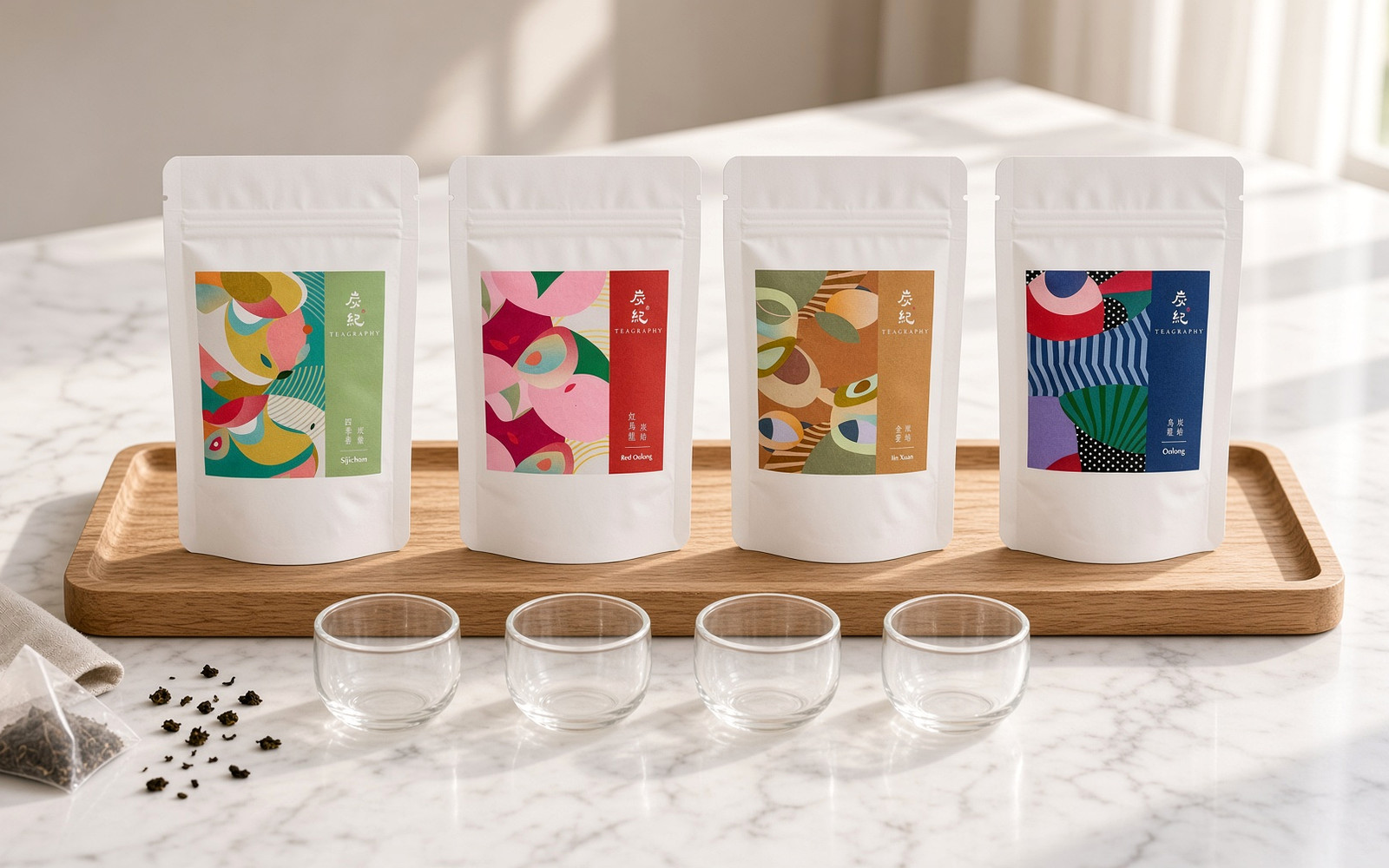
The Four Seasons Tea Gathering tea bag set includes one pouch of each tea, which makes it a ready-made beginner flight.
- Floral – Si Ji Chun: a bright, expansive gardenia aroma. Lightly oxidised and lightly roasted, it is the most refreshing of the four.
- Milky – Jin Xuan: soft milky sweetness with a gentle floral note. Ideal if you like smooth, rounded drinks.
- Fruity – Red Oolong: the fragrance of black tea with the mellow sweetness of oolong. The most oxidised of the set.
- Roasted – Oolong: a rich roasted aroma with an excellent finish. The most deeply roasted of the four, and a natural bridge for coffee lovers.
Want more detail on a single tea? Read our guides to Si Ji Chun, Jin Xuan and Red Oolong.
How to brew your first oolong
Tea bags: the easy start
- Put one 3 g tea bag in a mug.
- Pour about 250 ml of freshly boiled water over it.
- Steep for around 2 minutes, then remove the bag.
- Taste, and adjust the time by 30 seconds next cup if you want it lighter or stronger.
Loose leaf: the next step
- Heat water to 95-100°C and warm your pot.
- Add about 5 g of leaf for a 75-85 ml pot.
- Steep for roughly 60 seconds and pour out every drop.
- Re-steep the same leaves, adding a little time with each round.
Our full brewing guide covers ratios, re-steeping and how to fix a bitter cup.
Tea bags, cans or a value set?
| Format | Best for | What you get |
|---|---|---|
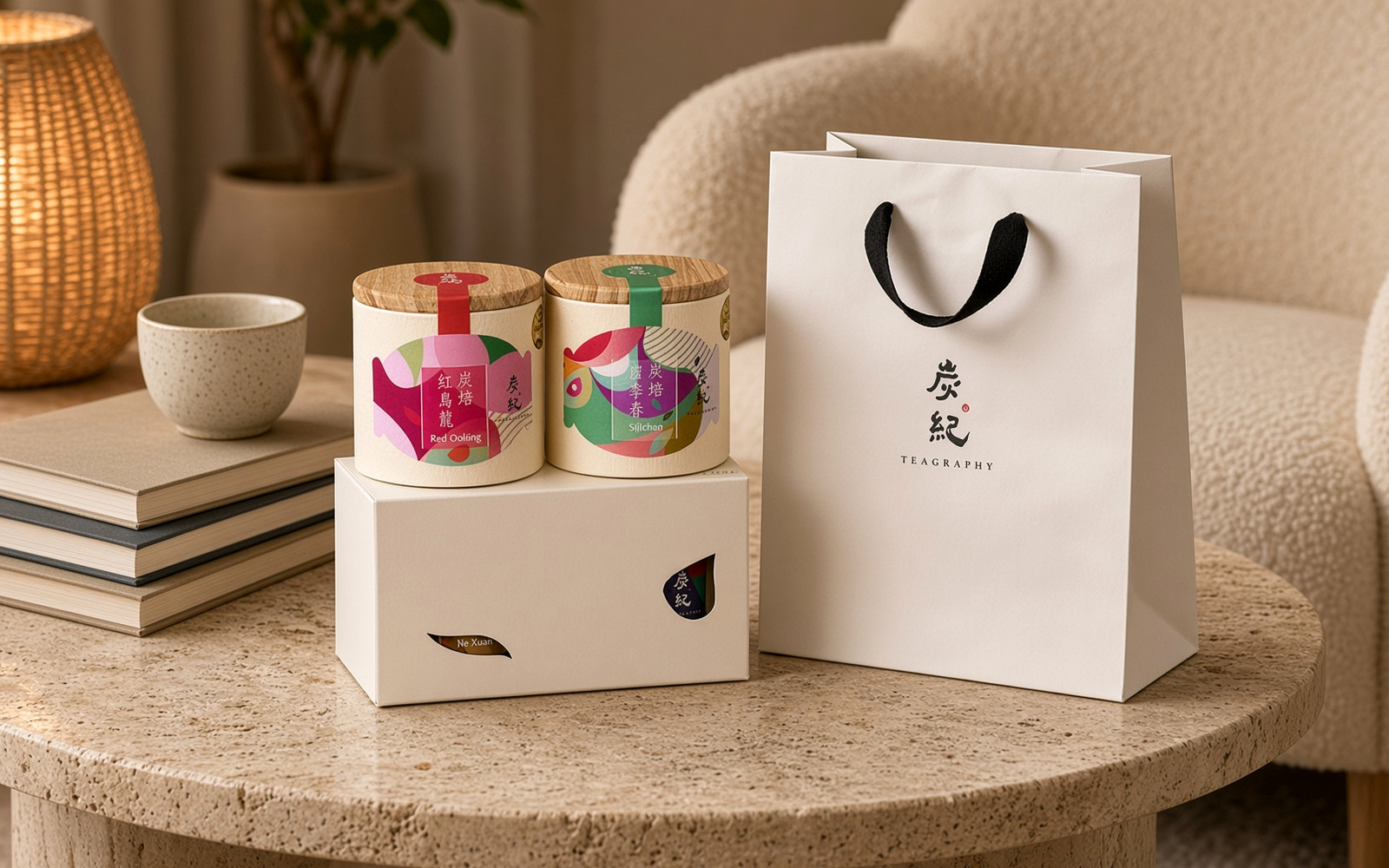
| Tea bags, 3 g × 5 per pouch | First tastings, office, travel | Quick, consistent cups; the one-of-each set covers all four flavours |
| 50 g loose-leaf can | Home brewing once you have a favourite | Whole leaf, several infusions per session |
| Value Set, any two 50 g cans | Comparing two finalists | Two full cans of your choice |
A simple route: start with the tea bag set, note your top two, then pick them in the Four Seasons Value Set.
How to taste like you mean it
- Taste in one sitting: brew all four with the same water and timing.
- Go light to heavy: Si Ji Chun, Jin Xuan, Red Oolong, then Oolong.
- Smell the empty cup: the aroma left behind often tells you more than the first sip.
- Write one word: floral, creamy, fruity, toasty. After a week you will know your style.
Which beginner are you?
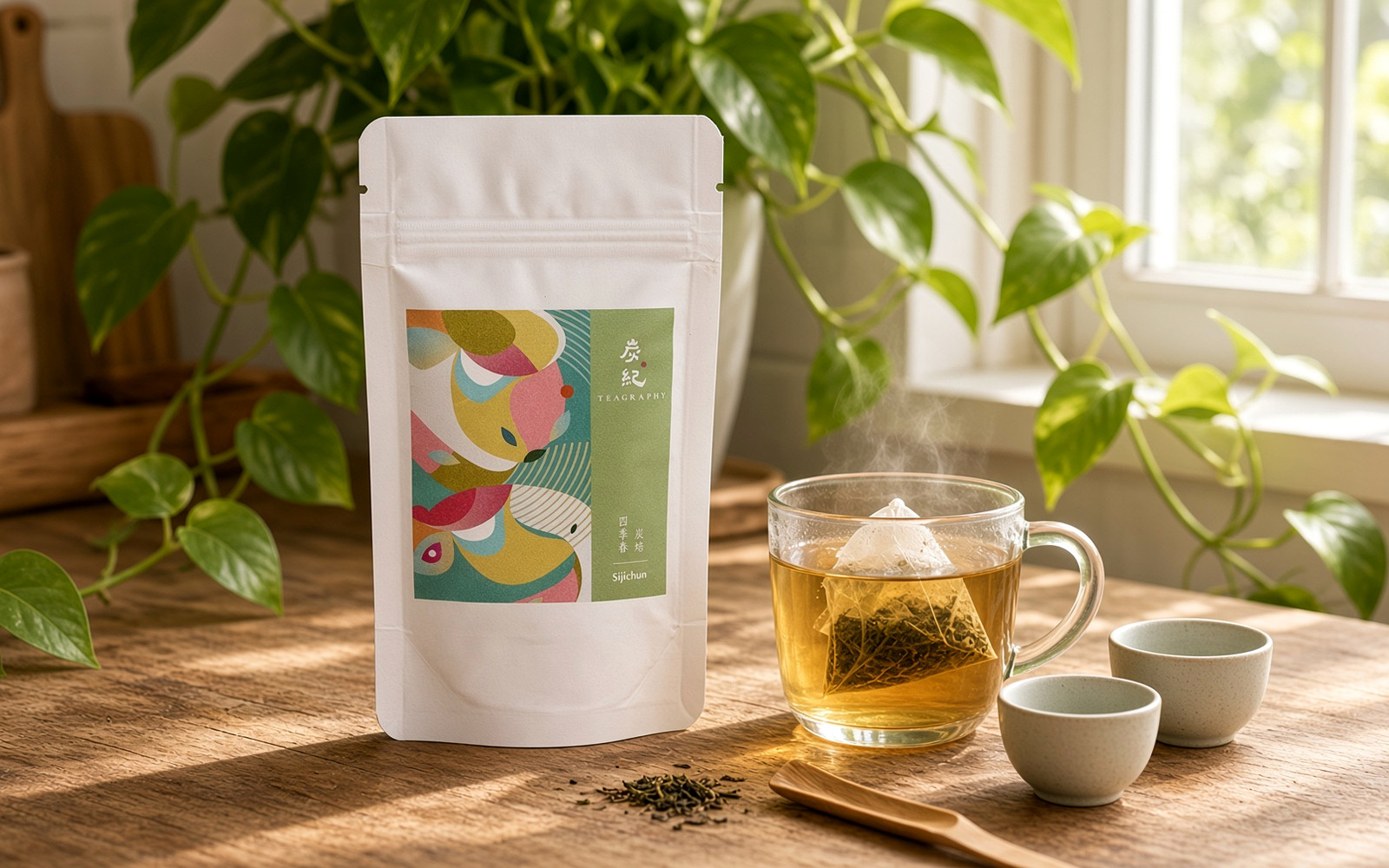
- You drink green tea: start with Si Ji Chun.
- You love milky drinks: Jin Xuan will feel familiar.
- You drink black tea: go straight to Red Oolong.
- You drink coffee: the charcoal-roasted Oolong has the depth you are used to.
- You are buying for someone else: the one-of-each tea bag set lets them discover their own favourite.
Start your oolong journey
You do not need to know every cultivar to enjoy Taiwanese oolong. Taste four clear styles, keep the brewing simple and follow your own palate. Explore the Four Seasons tea bag set, the Value Set or browse every tea in the TEAGRAPHY shop. Questions about shipping? The FAQ explains international delivery.